
About
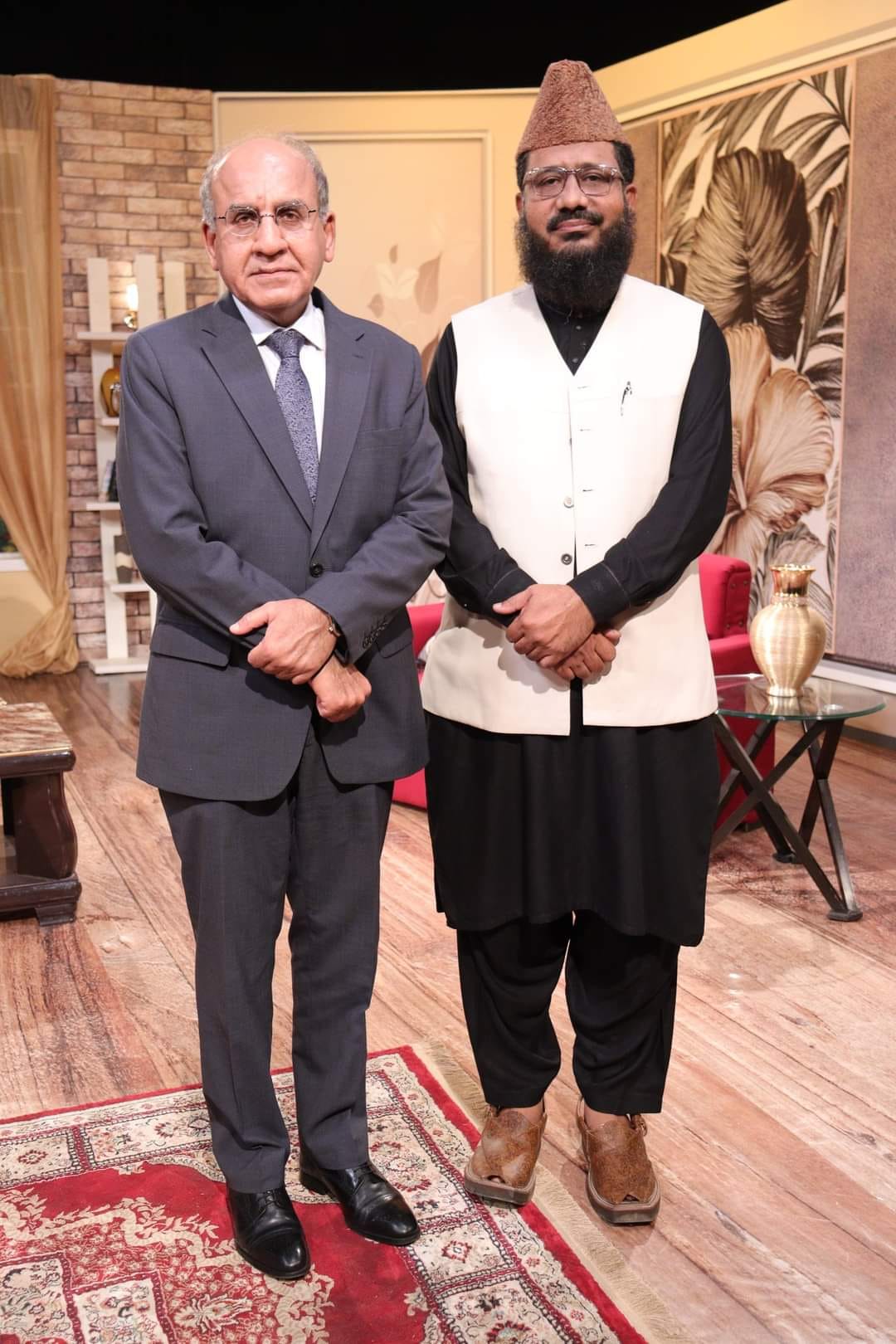
Dr. Amir Abdullah Muhammadi
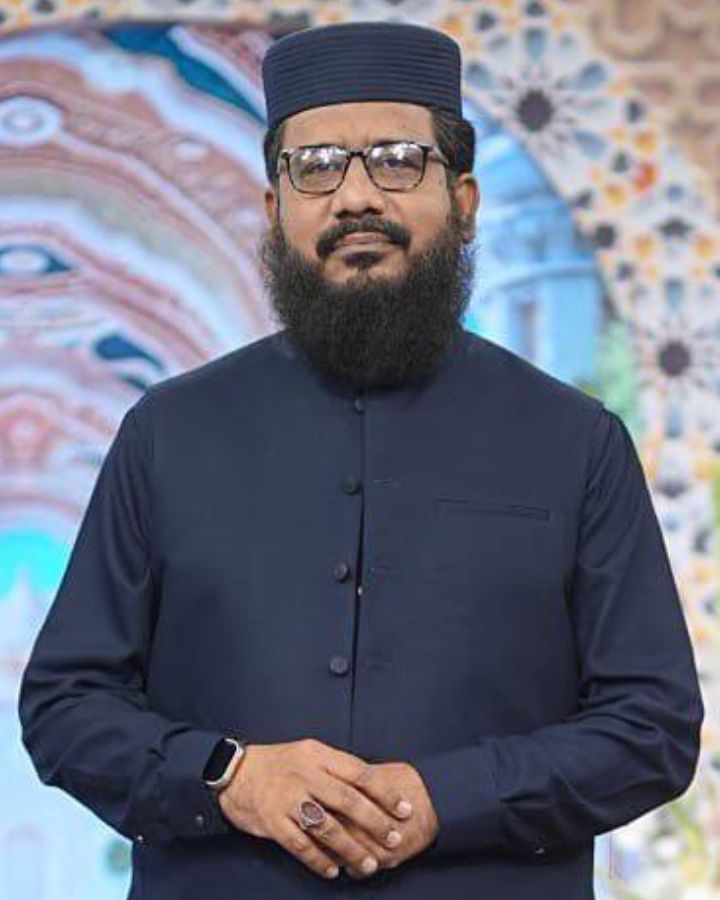
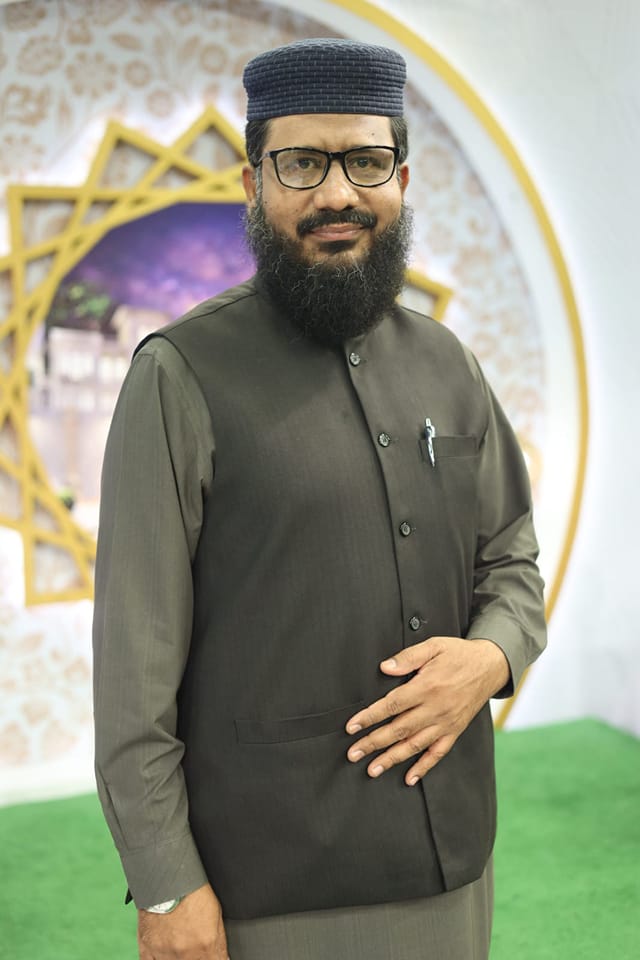
Dr. Amir Abdullah Muhammadi is a distinguished Islamic scholar, researcher, and educator known for his balanced and evidence-based approach to religious guidance.
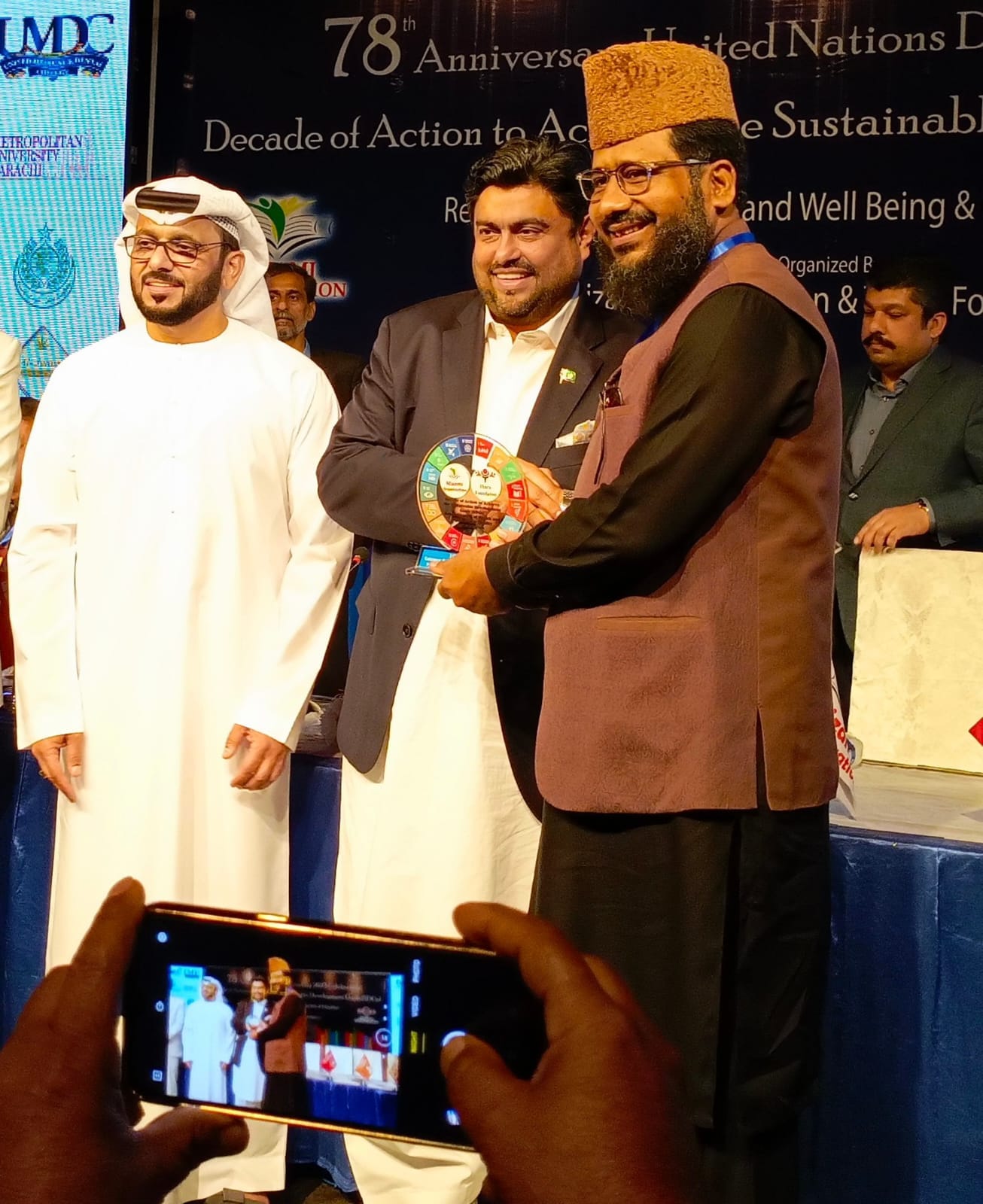
He is also actively engaged in preaching, teaching, and community development, promoting unity, peace, and moral values through his sermons and public outreach programs.
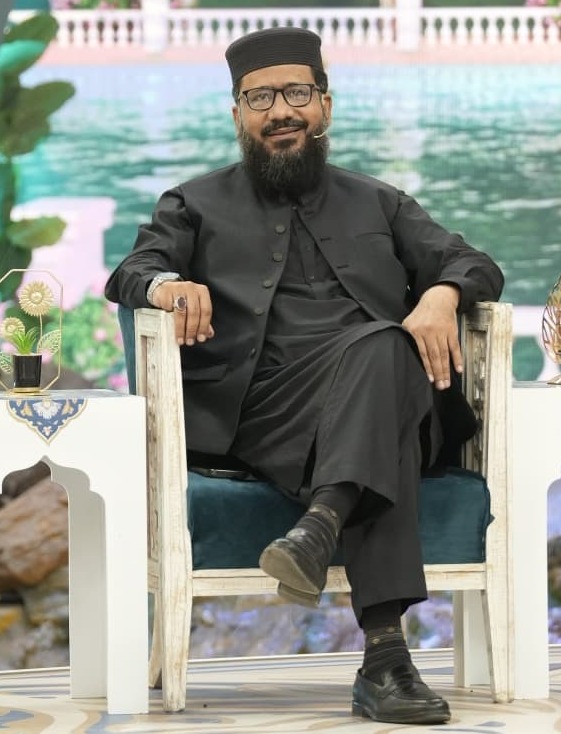
Introduction ( تعارف)
Dr. Amir Abdullah Muhammadi was born in 1972 in Karachi into a knowledgeable and religious family (علمی و دینی گھرانہ).
Early Life and Family Background (ابتدائی زندگی اور خاندانی پس منظر)
Dr. Amir Abdullah Muhammadi was born in 1972 in Karachi into a distinguished and deeply rooted religious family (معزز اور علمی و دینی گھرانہ). From an early age, he was nurtured in an atmosphere of knowledge, discipline, and piety (علم، نظم و ضبط اور تقویٰ). His father, Dr. Khurshid Ahmed Sheikh, held Master’s degrees in Islamic Studies (اسلامیات) and Economics (معاشیات) and was a devoted disciple (شاگردِ خاص) of Allama Syed Badiuddin Shah Rashdi Pir Jhanda.
In addition to his religious scholarship, his father completed M.D. Homeopathy (ایم ڈی ہومیوپیتھی) and M.Sc. in India (Sonepat), combining modern medical expertise with profound Islamic learning (جدید طبی مہارت اور گہری دینی بصیرت). Growing up in such an environment, Dr. Amir inherited a strong foundation of academic excellence (علمی برتری) and religious upbringing (دینی تربیت), which later shaped his dedication to Islamic education (اسلامی تعلیم), healthcare (طب), and social service (سماجی خدمت).
Beginning of Religious Education (دینی تعلیم کا آغاز)
Dr. Amir received his early religious training (دینی تربیت) from his parents, inheriting a rich legacy of Islamic scholarship from a young age. He began with Noorani Qaida (نورانی قاعدہ) and Nazra Qur’an (ناظرہ قرآن) under the supervision of Sheikh-ul-Qur’an wal-Hadith, Maulana Mahmood Ahmad Hasan (رحمہ اللہ), where he developed a strong foundation in Qur’an recitation (قرآن خوانی), proper pronunciation (تجوید و تلفظ), and essential religious teachings (بنیادی دینی تعلیمات). As his studies progressed, he advanced to the study of Sahih al-Bukhari (صحیح البخاری), which deepened his understanding of Hadith (حدیث) and Islamic jurisprudence (فقہ اسلامی).
In 1987, following the martyrdom of Allama Ehsan Elahi Zaheer (رحمہ اللہ), Dr. Amir resolved to formally dedicate himself to religious scholarship. He enrolled at Jamia Dar al-Hadith Rahmania (جامعہ دارالحدیث رحمانیہ), a distinguished and historic institution in the subcontinent (برصغیر), where he studied under eminent scholars (جلیل القدر علماء). There, he acquired advanced knowledge in Islamic sciences (دینی علوم), preparing himself for a lifelong mission of Islamic teaching (تدریس), research (تحقیق), and community guidance (رہنمائیِ امت).
Learning from Esteemed Teachers (اساتذہ کرام سے اکتساب فیض)
At Jamia Rahmania (جامعہ رحمانیہ), he had the honor of studying under distinguished scholars (جلیل القدر علماء) including Sheikh-ul-Hadith Maulana Abdul Rahman Cheema (شیخ الحدیث مولانا عبد الرحمن چیما), Maulana Muhammad Afzal Asri (مولانا محمد افضل اثری), Maulana Ibrahim Abdullah Yugvi (مولانا ابراہیم عبداللہ یوگوی), and Maulana Abdul Majeed (مولانا عبدالمجید). Under their supervision, he strengthened his expertise in Hadith (علم الحدیث), Fiqh (فقہ), and other classical Islamic sciences (علومِ شرعیہ), building a firm academic and spiritual foundation (علمی و روحانی بنیاد).
In 1989, he enrolled at Jamia Abi Bakr Islamia (جامعہ ابی بکر الاسلامیہ), where the late Professor Muhammad Zafarullah (پروفیسر محمد ظفراللہ) served as the Director (مدیر). There, he studied under distinguished scholars (جلیل القدر علماء) including Sheikh-ul-Hadith Maulana Hafiz Masood Alam (شیخ الحدیث مولانا حافظ مسعود عالم), Maulana Umar Farooq Saeedi (مولانا عمر فاروق سعیدی), and several other eminent teachers.
Further Learning from Other Scholars (اساتذہ کرام سے مزید اکتساب فیض)
Dr. Amir further expanded his pursuit of knowledge by studying with other renowned Ulama (علماء کرام), deepening his expertise in Hadith (حدیث), Fiqh (فقہ), and broader Islamic sciences (دینی علوم). Among his respected teachers were Maulana Abdul Qadir Rupdi (مولانا عبدالقادر روپڑی), Maulana Mufti Ubaidullah Afif (مولانا مفتی عبیداللہ عفیف), Sheikh-ul-Hadith Allama Abdullah Nasir Rahmani (شیخ الحدیث علامہ عبداللہ ناصر رحمانی), and Sheikh-ul-Hadith Maulana Abdul Ghaffar Rupdi (شیخ الحدیث مولانا عبدالغفار روپڑی). Their scholarly guidance (علمی رہنمائی) refined his understanding of Islamic principles (اسلامی اصول) and strengthened his analytical and research abilities (تحقیقی و فکری صلاحیتیں).
He also benefited from eminent scholars such as Maulana Abdul Rahman Salfi (مولانا عبدالرحمن سلفی), Maulana Muhammad Salfi Abdul Sattar Dehlvi (مولانا محمد سلفی عبد الستار دہلوی), Professor Muhammad Yameen Muhammadi (پروفیسر محمد یامین محمدی), Maulana Syed Qasim Shah Rashdi (مولانا سید قاسم شاہ راشدی), and others. Through their mentorship (سرپرستی و تربیت), his approach to Islamic education and training (اسلامی تعلیم و تربیت), public speaking (خطابت), and social service (سماجی خدمت) was shaped, enabling him to guide students and the wider community with knowledge (علم), insight (بصیرت), and moral values (اخلاقی اقدار).
Social & Youth Leader
Oratory ( خطابت)
Dr. Amir Abdullah Muhammadi’s oratory captivates hearts, delivering guidance and wisdom with clarity and passion.
Through his powerful oratory, he inspires faith, strengthens practice, and brings light to every listener’s life.
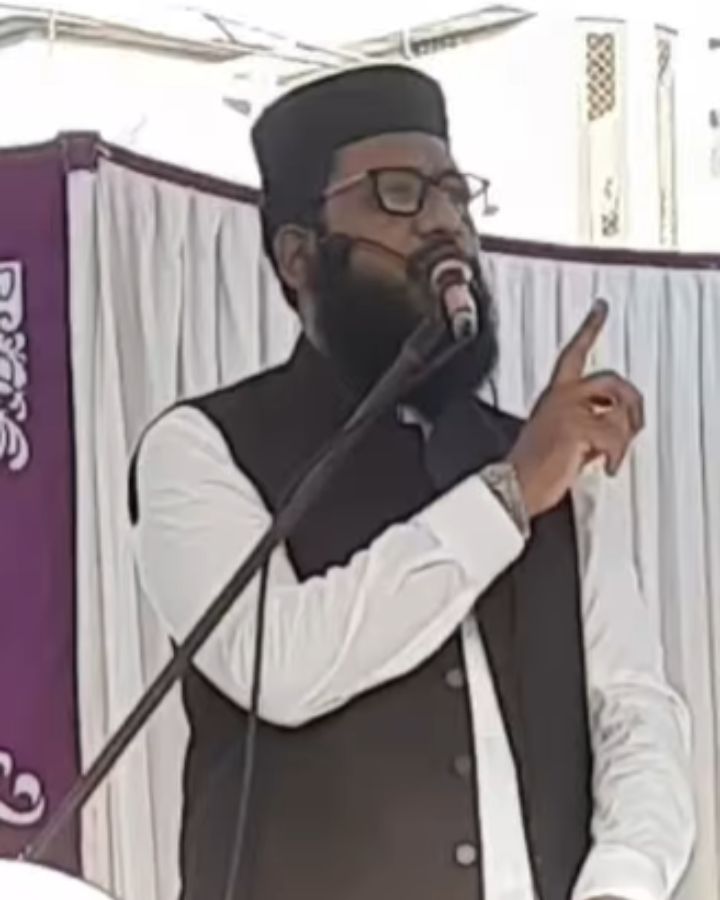
He regularly delivered خطبات جمعہ during this period.
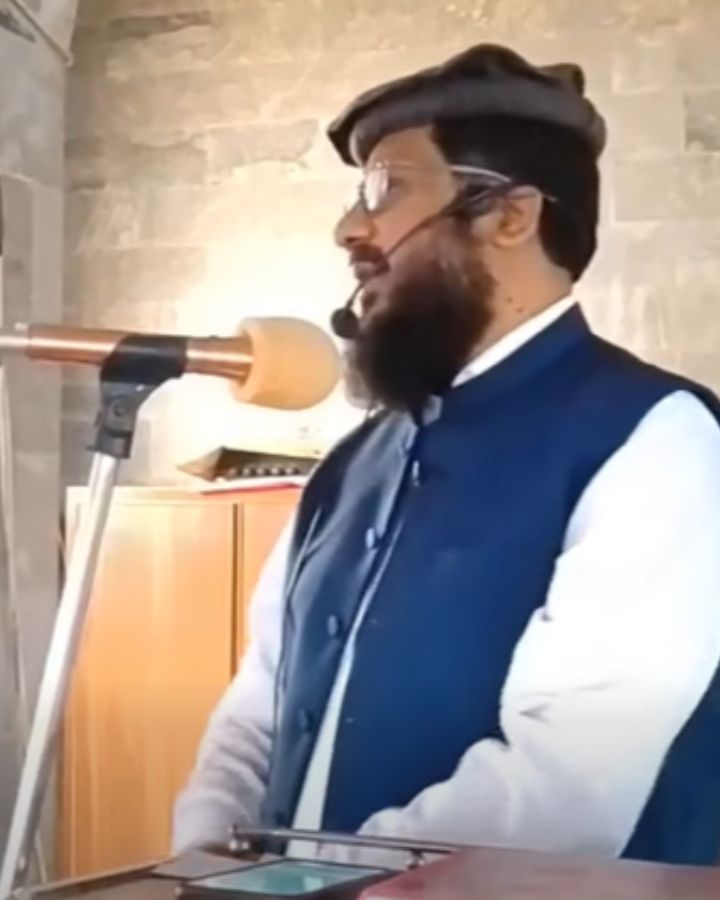
He has been serving in خطابت since 1998 with dedication